Connect
Connect

Ethereum Community

Extend Ethereum into a broader DeFi system

Rujira gives ETH holders cleaner access to orderbook trading, automated liquidity, recurring swaps, collateral, and more without losing the wallet-first flow they already expect.

How do you want to use your ETH?

Choose the route that fits how you want to deploy ETH on Rujira.

Ethereum On Rujira

Keep ETH central while giving it more reach

Ethereum users already understand active capital, but the experience is still often fragmented across isolated apps and bridge assumptions. Rujira brings trading, swaps, automation, borrowing, and liquidation flow into one connected system where ETH stays useful across the stack.

Ethereum product paths

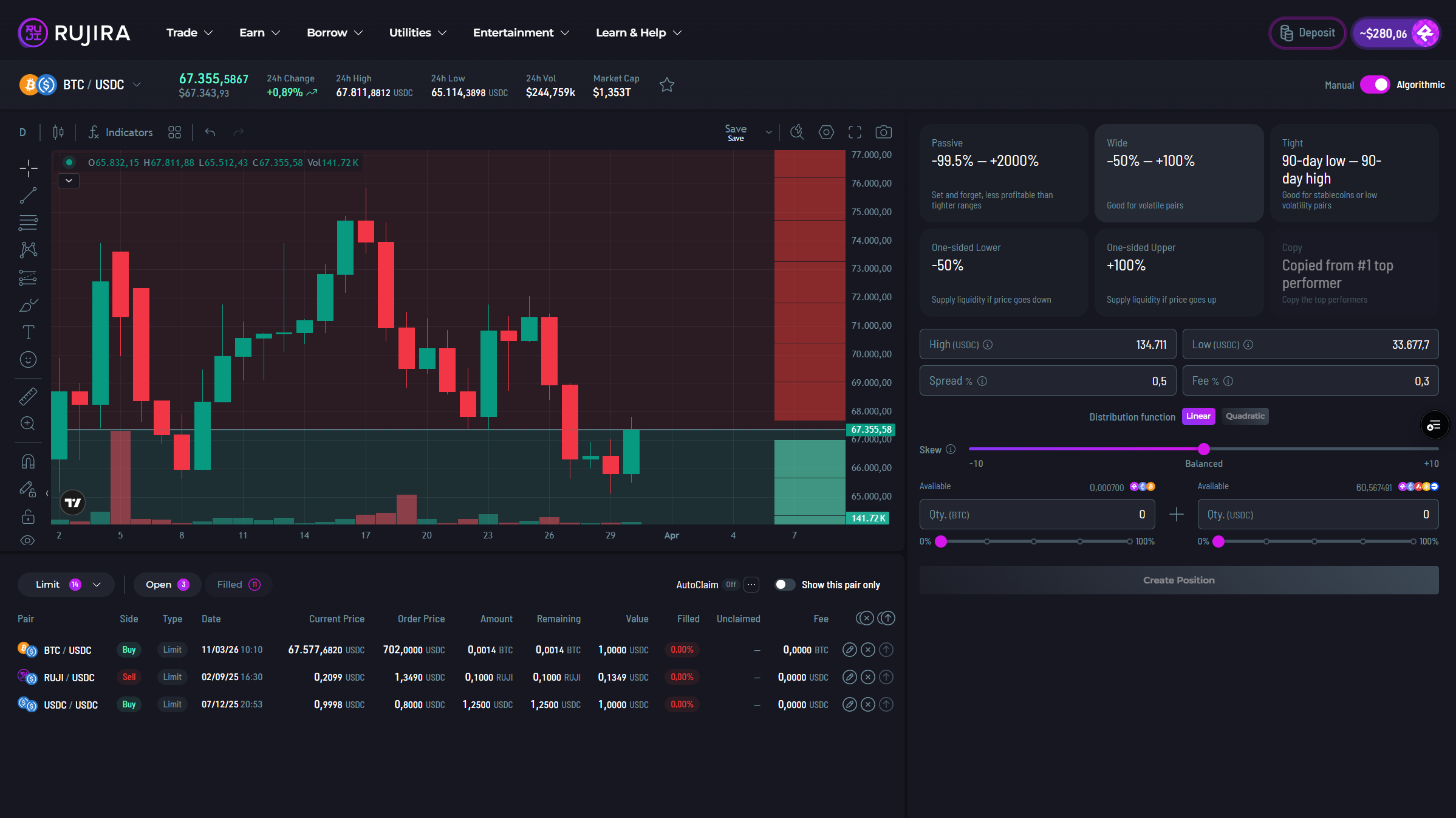
RUJI Trade

Trade ETH through a cleaner onchain orderbook flow

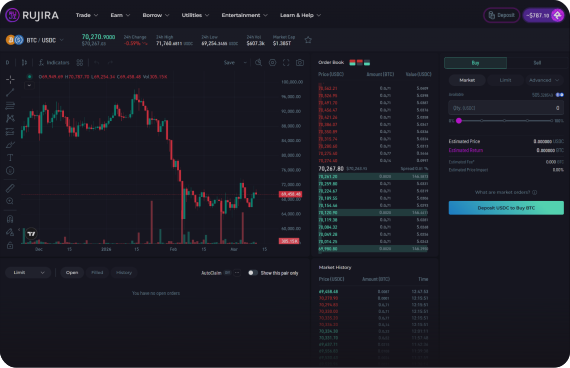
RUJI Trade gives Ethereum users a more deliberate way to execute. Instead of jumping between separate venues, you can place orders from a wallet-first flow and use ETH inside the same broader market stack that powers the rest of Rujira.

  • Trade ETH from a wallet-first route instead of handing execution to a black box.
  • Use market, limit, tracking, and recurring orders when precision matters.
  • Stay closer to the same liquidity and routing layer that other Rujira products rely on.
RUJI AMM

Put ETH to work with automated liquidity

RUJI AMM lets Ethereum users deploy ETH and USDC inside the same market flow that supports RUJI Trade. Choose a range, let trading happen through it, and turn idle capital into a more active position.

  • Use ETH inside automated market activity instead of leaving it idle between trades.
  • Choose simple presets or set a tighter range when you want more control.
  • Keep the workflow connected to trading, swaps, and broader capital management.

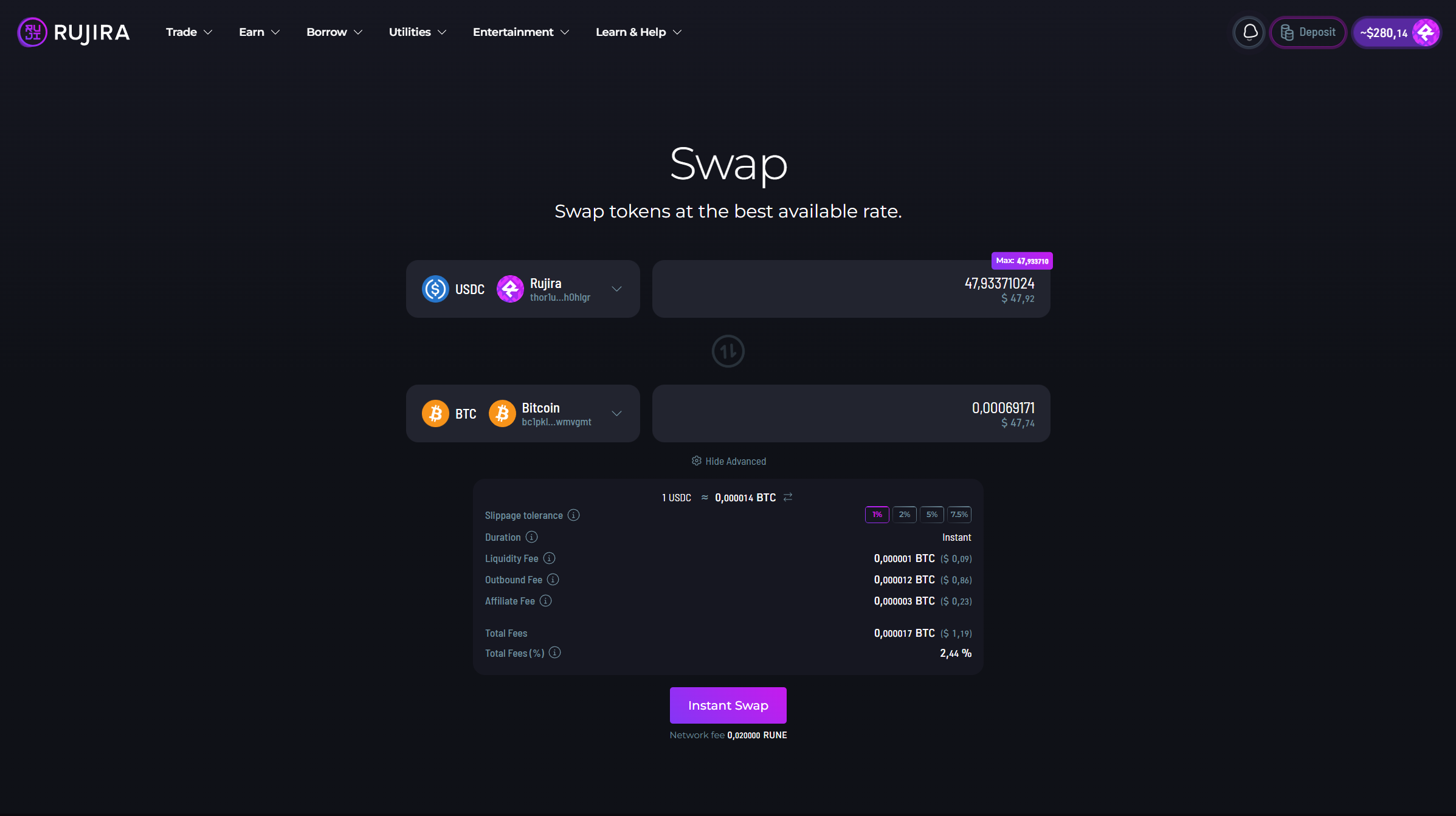
RUJI Swap

Use RUJI Swap to move into or out of ETH with less friction

RUJI Swap gives Ethereum users a practical route for recurring buys, rebalancing, and cross-chain movement. That matters when you want ETH to stay central while the rest of your portfolio spans more than one ecosystem.

  • Swap between ETH and other major assets without reducing everything to one narrow app context.
  • Use recurring orders to build or reduce ETH exposure over time.
  • Let routing work through the broader Rujira market stack instead of managing every move manually.

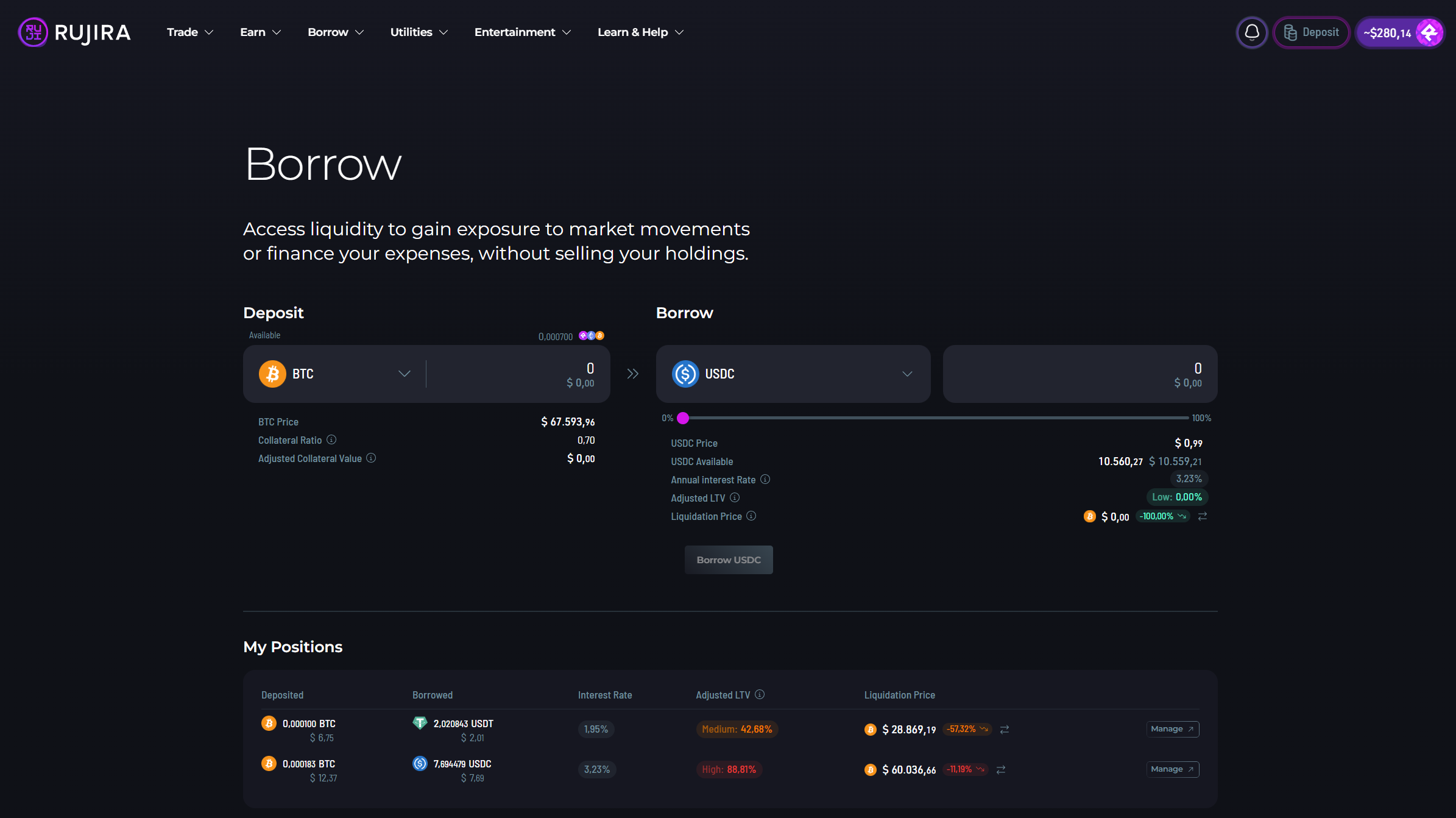
RUJI Money Market

Use ETH as active collateral instead of dead capital

RUJI Money Market gives Ethereum users a cleaner way to keep ETH exposure while accessing liquidity. That can matter when you want capital flexibility without turning every need for stablecoins into a full exit.

  • Use ETH as collateral while keeping the underlying position intact.
  • Borrow liquidity when you need flexibility for trades, expenses, or portfolio moves.
  • Keep borrowing inside the same system that already handles pricing and market flow.

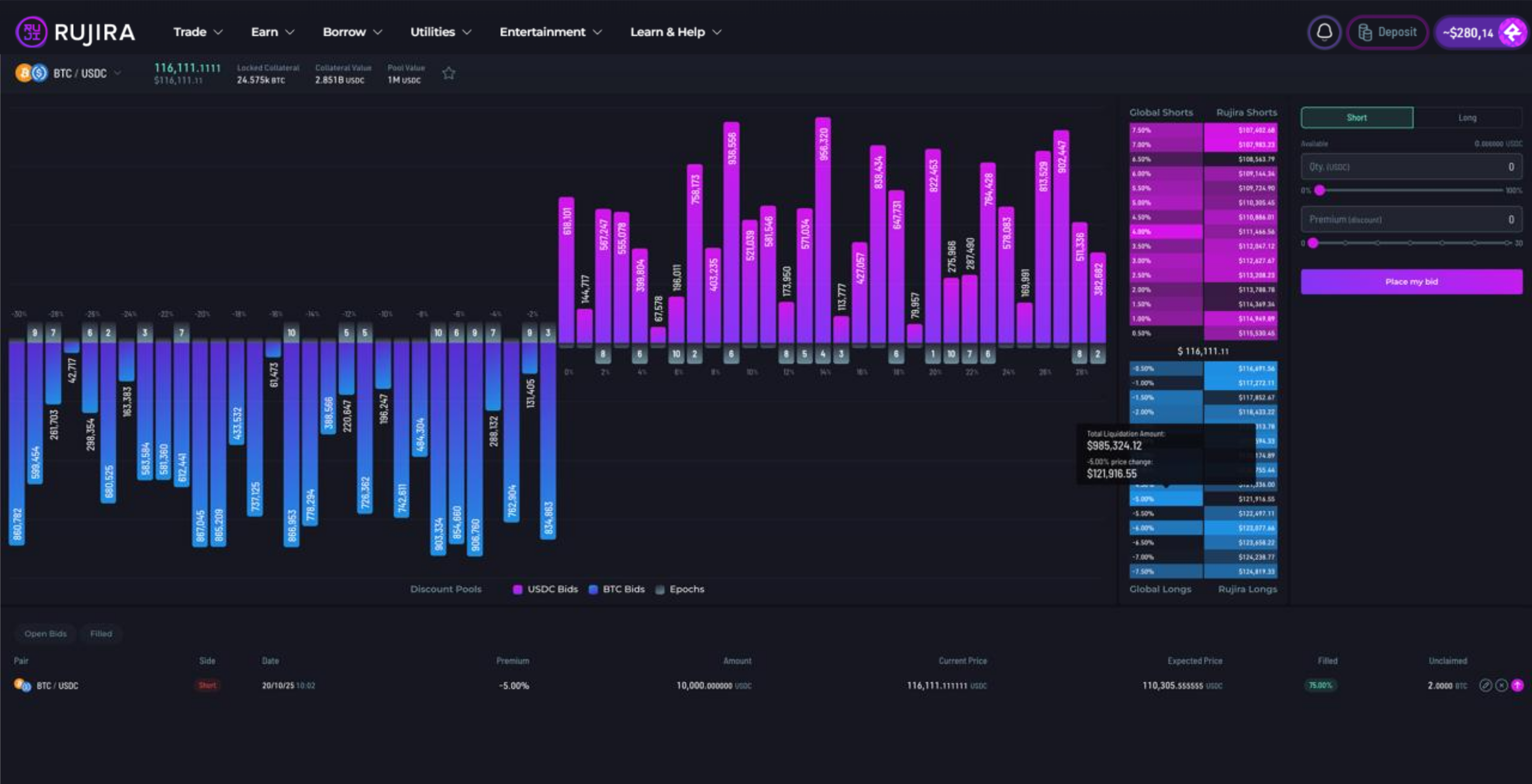
RUJI Liquidations

Watch liquidation markets tied to ETH

RUJI Liquidations gives Ethereum users a more transparent view into distressed collateral and auction flow. Instead of competing purely on speed, you can follow the market, price risk more clearly, and bid when the setup makes sense.

  • Follow public liquidation flow tied to ETH collateral markets.
  • Compete on price discovery instead of raw bot speed alone.
  • Use market context to decide when a discounted entry is actually worth taking.

Redacted Privacy Layer

Add a more private layer to ETH activity when it fits

Some Ethereum users want more control over what the market can infer from every action. Redacted gives that audience an optional privacy route inside the same broader Rujira workflow without turning the whole experience into an all-or-nothing setup.

  • Keep privacy optional and product-scoped instead of forcing it into every action.
  • Move between normal and private flows based on the job you are trying to do.
  • Use a more discreet route without losing connection to the wider Rujira system.

Secured Assets

How Secured Assets keep ETH useful across the stack

Secured Assets let native ETH move through RUJI Trade, RUJI Swap, RUJI AMM, and RUJI Money Market without asking Ethereum users to reduce the whole flow to wrapped stand-ins or detached bridge assumptions.

Illustration showing how native ETH can move across Rujira products through Secured Assets.

Ethereum On Rujira

Why Ethereum users pay attention to Rujira

ETH already sits at the center of onchain capital. Rujira matters when you want that capital to move through a broader market and product system without the usual fragmentation.

Keep ETH central

ETH stays the working asset instead of getting buried behind disconnected app workflows.

Stay wallet-first

The route stays self-custodied, which matters when you want reach without adding unnecessary trust.

Connect more market paths

Trading, swaps, automation, and collateral flow can stay closer together instead of living in separate silos.

Use ETH as active capital

Rujira helps ETH work harder across the stack instead of acting only as idle exposure or gas.

New to Ethereum?

Learn what makes Ethereum unique

Chain fundamentals and live market data, all in one place.

Ethereum

ETH#2 by market cap

The settlement layer for smart contracts and onchain capital.

Launched
2015
Supply model
Dynamic issuance
Block time
~12 sec
Consensus
PoS

Origin

Created by
Vitalik Buterin + cofounders
Genesis block
July 30, 2015
Secured by
Ethereum stakers

Ecosystem

Core lanes
DeFi, L2s, staking, settlement
Rujira role
Trading, swaps, collateral, money markets
Core values
  • Composability
  • Settlement
  • Programmability

Live tokenomics

Ethereum price (USD)

$2,101.42

+2.8% (24h)

24H high
$2,114.72
24H low
$2,014.13
Buy ETH
Market cap
$254.60B
24H volume
$20.90B
Circulating supply
120.69M ETH
Max supply
No cap
All-time high
$4,946.05
ATH date
Aug 2025

FAQ

Questions and Answers

Common questions about using Ethereum on Rujira.

Discover More

Understand how it all fits together

Dive deeper into Rujira. Learn how the architecture works, explore the ecosystem, and find guides and answers in the Support center.

Or look for the full overview in our Support and Learn section.

Go to Support